


 Dave Burton@ncdave4life
Dave BurtonJan 8, 2024
6 tweets
1/6> annmclan wrote, "but the oceans are already too hot for coral reefs "
You've been lied to, Ann.
Most coral thrive best in the warmest water. If you look at a map of coral reef locations, you'll see that they're clustered around the equator:
sealevel.info/coralreefmap.j
"
You've been lied to, Ann.
Most coral thrive best in the warmest water. If you look at a map of coral reef locations, you'll see that they're clustered around the equator:
sealevel.info/coralreefmap.j
"
You've been lied to, Ann.
Most coral thrive best in the warmest water. If you look at a map of coral reef locations, you'll see that they're clustered around the equator:
sealevel.info/coralreefmap.j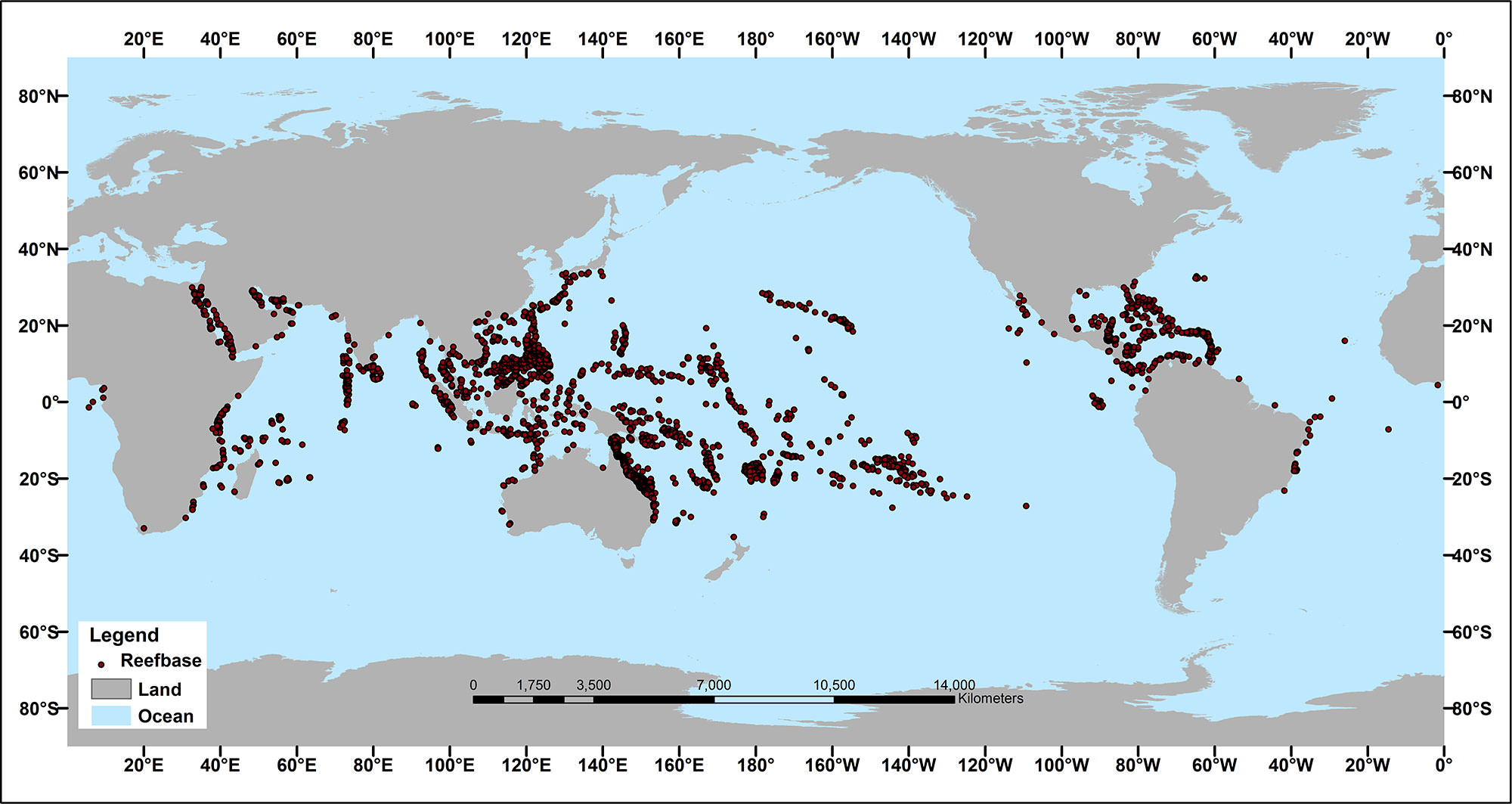

2/6> Even the very warm southern Red Sea is dotted with healthy coral reefs (unlike the cooler Mediterranean). Why do you think that is?
Some coral inhabit temperate zones, but most prefer tropics. In fact, where there are seasons, corals grow fastest in summer.
In fact, where there are seasons, corals are commonly dated like trees, by "coring" them, and examining the growth rings. The thick rings represent summers, because that's when the coral grows fastest.
3/6> At 7:20 in this BBC video you can hear how wonderfully healthy the coral are in warmest part of the very warm southern Red Sea, off Eritrea.
youtube.com/watch?v=vSOLDf
4/6> Of course the world's largest coral reef is Australia's Great Barrier Reef. Contrary to what you might have heard, it is healthy.
Moreover, it's about 20 million years old, and it has withstood CO2 levels both much higher and much lower, and temperatures both substantially warmer and much colder, and water levels both higher and much lower, than present. We needn't worry that a degree or two of anthropogenic warming will destroy it.
5/6> Coral reefs are highly resilient ecosystems, with almost 800 identified species of reef-building coral, and highly mobile larval polyps (planulae). Claims that coral reefs are changed by slight differences in water temperature are based on "lab tests," which artificially eliminate that mobility, and hence that resiliency. In other words, they're "junk science."

Ann McLean@annmclan
Jan 03 24
View on Twitter
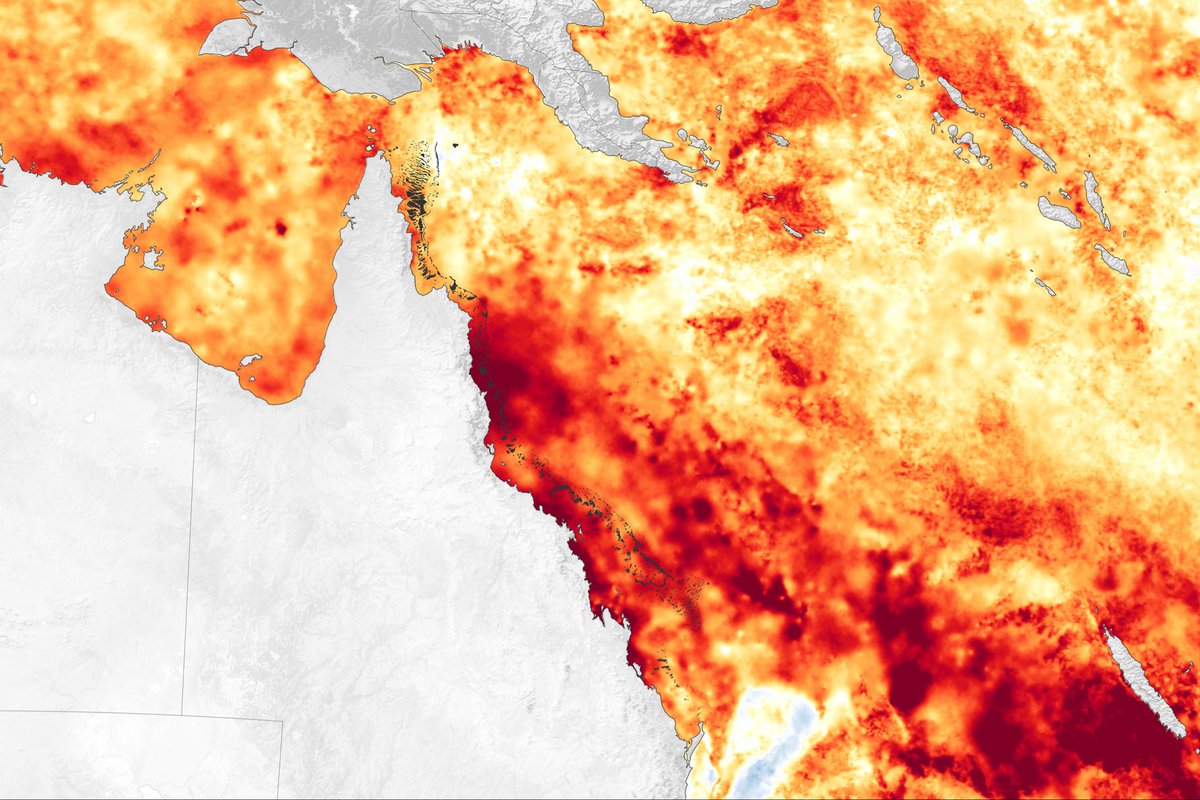
On the contrary. Your graphs are showing more frequent sea temperature anomalies (red stripes).
6/6> If you want to learn more about the GBR, the go-to experts are Australian Drs. Jennifer Marohasy and Peter Ridd. Here's a wonderfully informative lecture by Dr. Ridd:
youtube.com/watch?v=9XMB_K

Dave Burton
Dave Burton@ncdave4life
My preferred pronoun is "harmless data drudge." https://t.co/YTkK6vaHGs Tel: +1 919-481-0098.
Missing some tweets in this thread? Or failed to load images or videos? You can try to .