
Aaron Hector, R.F.P., CFP, TEP@AaronHectorCFP
Apr 14, 2024
11 tweets
FHSA income shifting strategy:
If your income is lower now than it will be in the future, you could use the FHSA as an income shifting tool to add income to your current tax year, in exchange for an offsetting deduction in the future.

There are certain 'no-nos' with the FHSA account.
The rules are set up to discourage certain activities.
One of these discouraged activities is using the FHSA account as security to obtain a secured line of credit, or loan.
That's not to say that you are forbidden from doing it. You can.
But if you do, then the value of the FHSA account becomes fully taxable in the year that you pledged the account as your loan collateral.
To be clear, you haven't withdrawn anything from your FHSA, you've simply gone to a lender and said "I'd like a loan, and I'll assign my FHSA account as collateral so if I don't meet my repayment obligations then you can take my FHSA account away"
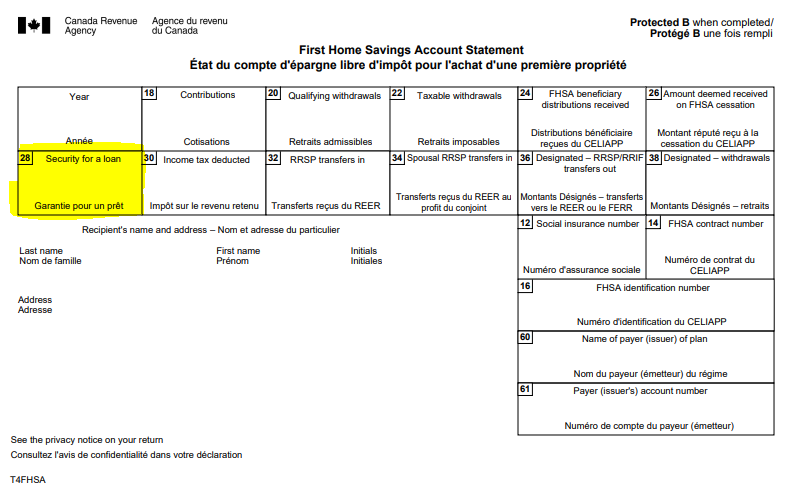
If you have $16,000 inside your FHSA, then you'll get a T4FHSA tax slip for that year with a $16,000 figure inside box 28. You will pay tax on that amount, the same way as if it was employment income or interest income.
Here's the slip:
But here's the kicker, once you close down that loan, or if you remove the FHSA as security and replace it with some other form of collateral, then you get a tax deduction. It's the reverse tax operation.
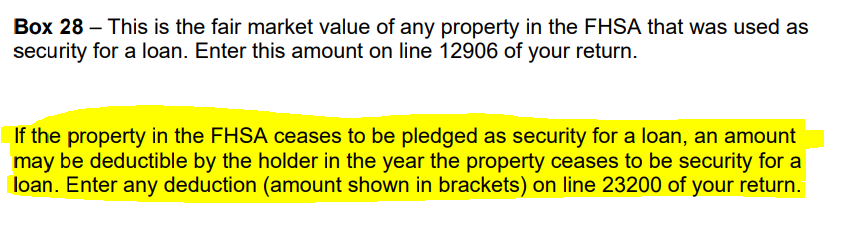
So, if you assign the FHSA in a year when you have very little income, then you likely won't pay much tax on the income inclusion...
... and then in the following year (or later) once your income is higher, you can get a deduction which will be worth more to you as it reduces tax at your marginal rate.
In this way, it's really a way to take a negative tax outcome, and turn it into a positive, by understanding the rules.
I'm not sure if this is something I'd actively recommend, but I thought I'd share in case it's useful for someone out there.
Talk to your lender and ask them, and do your own due diligence of course.

Aaron Hector, R.F.P., CFP, TEP
@AaronHectorCFP
Passion for personal finance, innovative ideas & the well being of my clients. Founder of TIER Wealth in Calgary. President of the IAFP.
Missing some tweets in this thread? Or failed to load images or videos? You can try to .