
How I would learn to code in 2024 (if I could start over):
(WARNING this is NOT for people who want to get a 9-5 but for those who want to learn to code fast, build a business, and quit their 9-5)

What I did wrong:
I learned to code in 2016 to build my dream startup (I believed I was the next Mark Zuckerberg).
So I bought Udemy courses. My cart looked like this:
- React: 64 hours
- JavaScript: 52 hours
- Node.js: 41 hours

150 hours of content and 2 years later, I still couldn’t create an online business (payments, user login, dashboard, emails — nothing fancy).
I felt defeated. I thought coding wasn’t for me. I almost gave up…
In 2018, I met @Andrey Seas in South Korea and he told me:
Sell your SaaS before you make it.
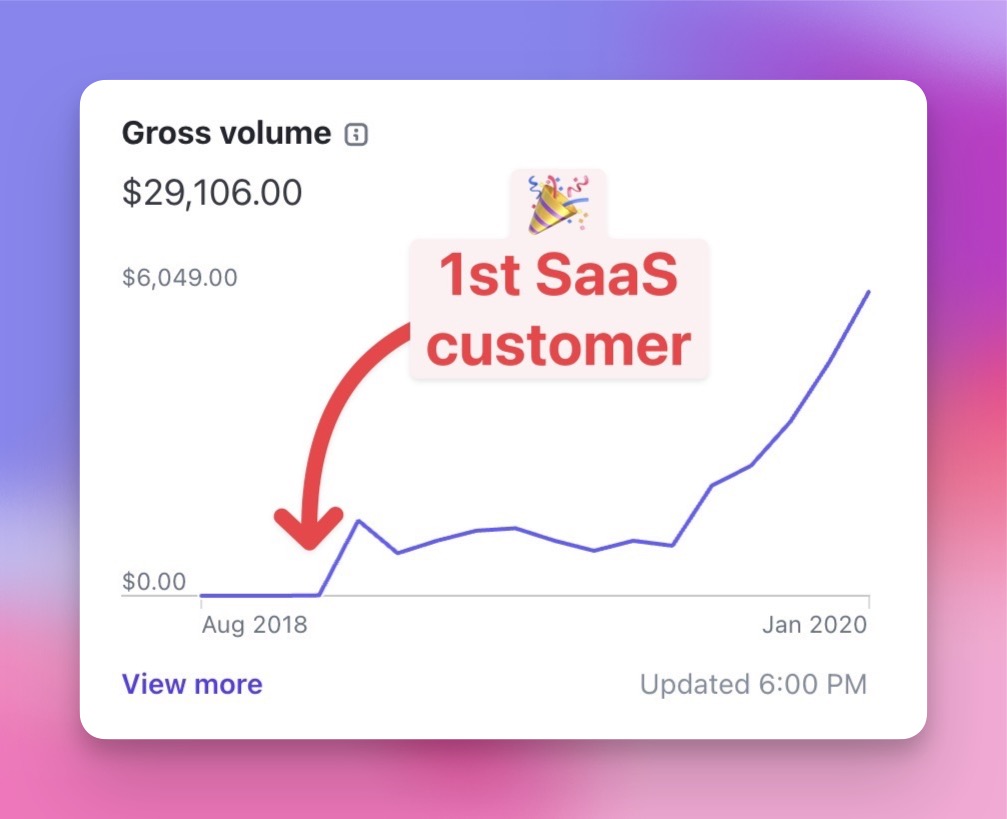
I was broke, so I tried, and after sending 20 cold emails… I got my first customer!
When the money landed on PayPal, I had no other choice:
Build the product ASAP.
I spent the next 7 days learning and coding only what was necessary to deliver the MVP.
It was scrappy and slow because most of what I had learned previously was useless.
The MVP was a Facebook Messenger Bot (no UI, no dashboard, just an API)
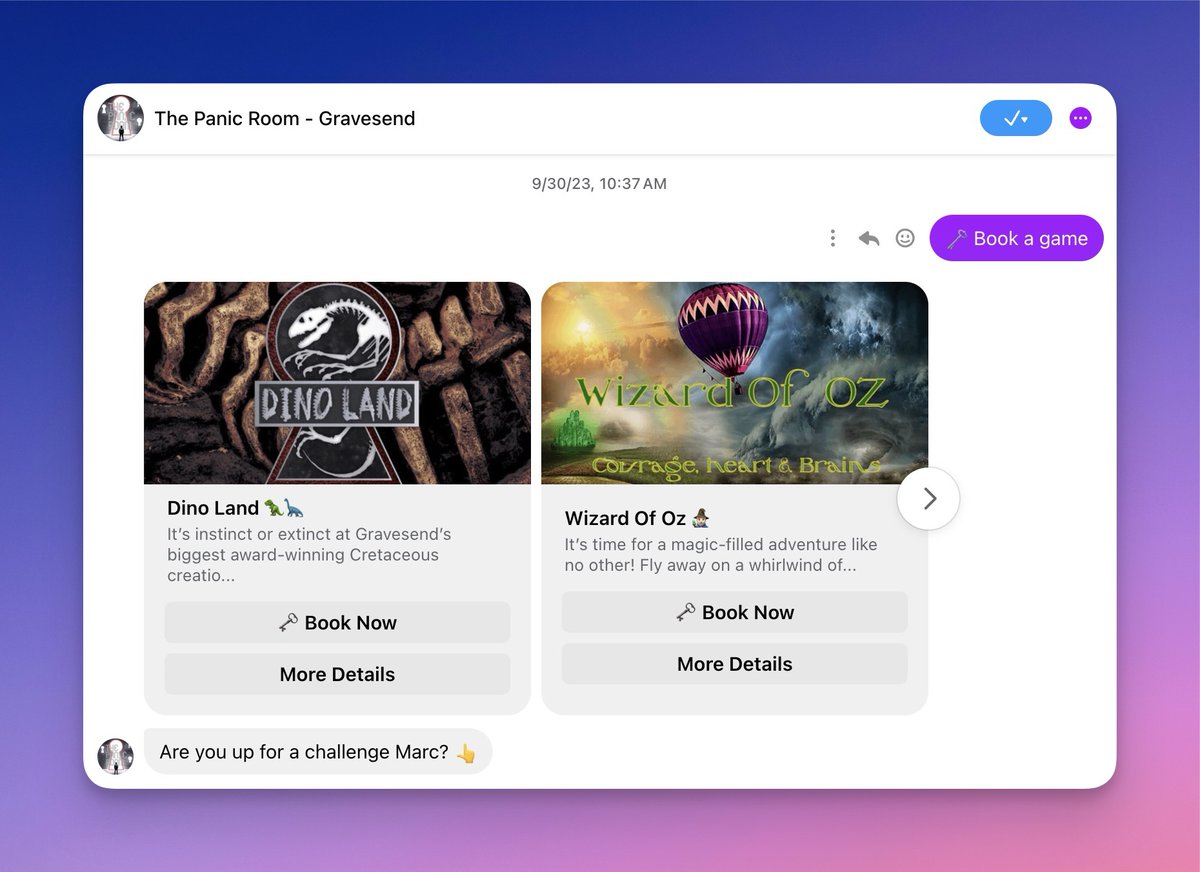
Once I delivered the product, the customer was happy.
They used it for 4 years, spending over $4,000 ($99/month for 48 months).
That’s how my first online business started: VirallyBot — A SaaS that made over $75,000 in revenue, let me move to Bali, and most importantly, made me fall in love with coding (which I hated just 2 years ago)
Here’s the red pill: Coding courses are made for people who want a 9-5.
 Employment is a zero-sum game—If you get the job, someone else won’t. You increase the odds of winning (getting hired) with a degree and advanced skills.
 Entrepreneurship is a different beast—The pie is infinite, and customers don’t care about your JavaScript expertise. They want their problems to be solved.
So here’s exactly what I’d do (in 3 steps) if I were to learn to code in 2024:
Entrepreneurship is a different beast—The pie is infinite, and customers don’t care about your JavaScript expertise. They want their problems to be solved.
So here’s exactly what I’d do (in 3 steps) if I were to learn to code in 2024:
Employment is a zero-sum game—If you get the job, someone else won’t. You increase the odds of winning (getting hired) with a degree and advanced skills.
Entrepreneurship is a different beast—The pie is infinite, and customers don’t care about your JavaScript expertise. They want their problems to be solved.
So here’s exactly what I’d do (in 3 steps) if I were to learn to code in 2024:Step #1 — Learn the Fundamentals:
AI is making a lot of tools and jobs obsolete at warp speed.
But chances are, in 20 years you’ll still receive HTML files over HTTP to read Twitter or see your friends’ posts on Instagram.
Infrastructures evolve much more slowly. The internet is likely to work in the same fashion years from now.
Learn how the internet works using ChatGPT. Ask about what you do on the internet:
• What happens when you click the like button on YouTube?
• What happens when you type “twitter(dot)com” in Google Chrome?
When you discover a new term, ask the AI to go deeper. You’ll discover the foundations that power the internet.

Here are some core concepts I think are crucial:
• HTML/CSS/JS webpage
• Internet browser
• IP address
• HTTP protocol
• DNS and domain name
• “Backend VS. Frontend”
• API endpoint
Don’t spend more than a few days on this. Stop when you have an overview of how the internet works.

I have 2 mini-projects for you:
1. Go to your favorite site, open the developer console, and inspect the code.
2. Build your first webpage using HTML, CSS, and JavaScript. It could be the sales page for your business idea or just a portfolio page. Create the HTML file and send it over to a friend. You’ll be surprised how simple it is.
Important: Don’t skip step #1. Coding apps without knowing how the internet works is like buying a Ferrari without knowing how to drive.
Step #2 — Pick a tech stack, and stick to it.
When you run an online business, you need tools. For instance:
 Your server sends HTML files to your users
 Your database saves your user’s information
 Your payment processor charges your customers’ credit cards
Your server sends HTML files to your users
Your database saves your user’s information
Your payment processor charges your customers’ credit cardsThe tech stack is a set of tools used to build and run your web application. There are millions of combinations. Here’s mine:
 Frontend:
- React (components)
- NextJS (pages)
- TailwindCSS + daisyUI (styling)
Frontend:
- React (components)
- NextJS (pages)
- TailwindCSS + daisyUI (styling)
 Backend:
- NextJS (API)
- MongoDB (database)
- Vercel (hosting)
Backend:
- NextJS (API)
- MongoDB (database)
- Vercel (hosting)
 Additional tools:
- Stripe (payments)
- Resend (emails)
- AWS (image hosting)
Additional tools:
- Stripe (payments)
- Resend (emails)
- AWS (image hosting)
 Programming language:
- JavaScript
Programming language:
- JavaScript
Frontend:
- React (components)
- NextJS (pages)
- TailwindCSS + daisyUI (styling)
Backend:
- NextJS (API)
- MongoDB (database)
- Vercel (hosting)
Additional tools:
- Stripe (payments)
- Resend (emails)
- AWS (image hosting)
Programming language:
- JavaScript
I built 30+ websites (marclou.com) with this tech stack.
- Millions of people visited my sites
- DataFa.st has 10M+ database records
- HabitsGarden.com has 17,000+ users tracking their habits.
Here’s the red pill: Tech stacks don’t matter. You can do everything you need as an entrepreneur with any tech stack.
Pick one. Never change it.
Step #3 — Build, ship, learn (in this order)
A. Build  You’ve got the map and the tools, now we’re entering the fun part: Coding.
Build the smallest version of your idea. Whatever product you have in mind, start building the landing page to “present” your product. Use the tech stack you just picked.
You’ve got the map and the tools, now we’re entering the fun part: Coding.
Build the smallest version of your idea. Whatever product you have in mind, start building the landing page to “present” your product. Use the tech stack you just picked.
You’ve got the map and the tools, now we’re entering the fun part: Coding.
Build the smallest version of your idea. Whatever product you have in mind, start building the landing page to “present” your product. Use the tech stack you just picked.Learn just what you need to build the static page. With my tech stack, you need to know:
• 10% of NextJS
• 10% of React
• 10% of TailwindCSS
Here’s another red pill: You don’t need to know everything. For instance, React has 15 hooks, I use only 2 in all my 30+ projects. You can ditch 85% of the tech stack features because you’ll likely never use them.
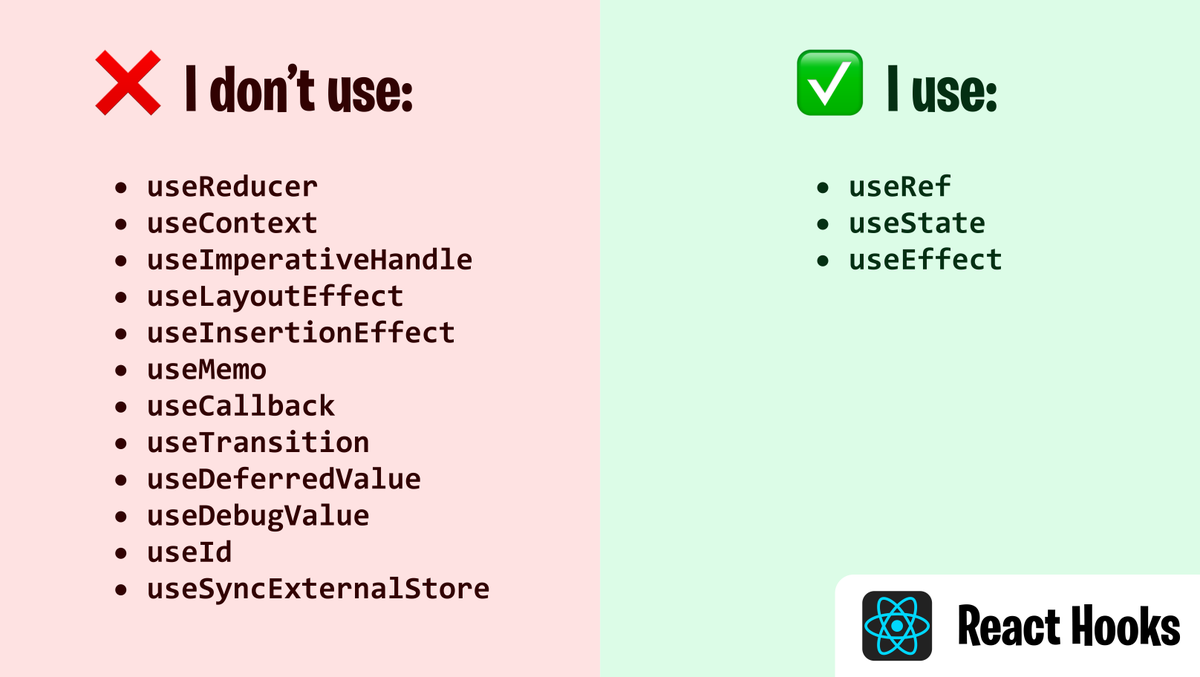
Learning gives us a feeling of being productive but it’s an illusion. You want to get users/customers/testers ASAP.
-> Add a Call-To-Action (CTA) to your static page.
For instance, a Stripe payment link (no-code) or a Google Form to collect beta testers’ emails. It will take you a few days or weeks at max.
B. Ship  You might think it’s early but it’s not: Launch your site.
- First, you’ll have to buy a domain name (I use NameCheap or Netim)
- Then, deploy your site on the internet (I use Vercel)
- And put your offer online: Send cold emails, ask friends, make a post on Reddit
You might think it’s early but it’s not: Launch your site.
- First, you’ll have to buy a domain name (I use NameCheap or Netim)
- Then, deploy your site on the internet (I use Vercel)
- And put your offer online: Send cold emails, ask friends, make a post on Reddit
You might think it’s early but it’s not: Launch your site.
- First, you’ll have to buy a domain name (I use NameCheap or Netim)
- Then, deploy your site on the internet (I use Vercel)
- And put your offer online: Send cold emails, ask friends, make a post on Reddit 
 Your goal is to get 1 customer or 1 beta tester—This is key because these are the next steps:
1. You’ll get instant motivation to build the product (I’ll never forget my first customer, the feeling is insane). Coding will suddenly become fun, you will naturally want to spend more time learning/coding.
2. You won’t overthink about what to learn. Pick just what you need to deliver the product.
3. You will get real feedback. The #1 mistake in entrepreneurship is building a product people don’t need. If nobody is interested in your idea, at least you saved yourself 6 months of coding and a nasty burnout.
Your goal is to get 1 customer or 1 beta tester—This is key because these are the next steps:
1. You’ll get instant motivation to build the product (I’ll never forget my first customer, the feeling is insane). Coding will suddenly become fun, you will naturally want to spend more time learning/coding.
2. You won’t overthink about what to learn. Pick just what you need to deliver the product.
3. You will get real feedback. The #1 mistake in entrepreneurship is building a product people don’t need. If nobody is interested in your idea, at least you saved yourself 6 months of coding and a nasty burnout.C. Learn  Once you get a person on board, your goal is to build the smallest version of your product.
You might have to learn about user authentication, API, and databases on the way. Once again, learn just enough to make something and show it to your customers/users. Ask AI when you’re stuck and make sure you understand “why” you do something.
Once you get a person on board, your goal is to build the smallest version of your product.
You might have to learn about user authentication, API, and databases on the way. Once again, learn just enough to make something and show it to your customers/users. Ask AI when you’re stuck and make sure you understand “why” you do something.
Once you get a person on board, your goal is to build the smallest version of your product.
You might have to learn about user authentication, API, and databases on the way. Once again, learn just enough to make something and show it to your customers/users. Ask AI when you’re stuck and make sure you understand “why” you do something.
Do things that don’t scale. For instance, you don’t have to set up an entire Stripe subscription flow. You can turn on/off subscriptions manually at first, and automate them later.
D. Repeat  You will build a learning flywheel: Build, ship, learn, repeat.
Once you’re comfortable with the tech stack, start using AI to code for you. Now, I barely code anymore (and yet, I ship more code than ever). I write in English and review the AI-generated code.
You will build a learning flywheel: Build, ship, learn, repeat.
Once you’re comfortable with the tech stack, start using AI to code for you. Now, I barely code anymore (and yet, I ship more code than ever). I write in English and review the AI-generated code.
You will build a learning flywheel: Build, ship, learn, repeat.
Once you’re comfortable with the tech stack, start using AI to code for you. Now, I barely code anymore (and yet, I ship more code than ever). I write in English and review the AI-generated code. Important: Resist the temptation of using AI too early. V0, Bolt, etc… are great tools, but using them without understanding the code is like buying a Ferrari without knowing… Yep, you got it.
And remember, you don’t need a brilliant idea to start. Mine was a free movie recommendation app Mood2Movie.com

150,000+ tech employees have been laid off in 2024.
Meanwhile, my Twitter feed is filled with entrepreneurs making a living with their apps.
More people want the freedom to work on their own projects, according to their own terms. Coding enables that. It’s not too late to learn. And it’s easier than ever because:
- You just need to know the minimum to build your idea
- You have a superintelligence at your fingertip
You got this, friend!
If you want to learn how to code in weeks, not months — I created CodeFa.st.
It’s the course I wish I had when I started. It follows the 3-step we talked about previously.
1,132 students joined already, some already launched their businesses!

Everything I learned as a solopreneur:
How to find startup ideas, launch fast, and get profitable ↓
marclou.beehiiv.com


Marc Lou
@marc_louvion
🧑💻 https://t.co/Y30jsaI4oH $212K/m
⚡️ https://t.co/vatLDmiHKe $33K/m
🍜 https://t.co/r07EpGTwyA $3K/m
📈 https://t.co/3EDxln5U2Q $1K/m
🪷 https://t.co/7olaOzVGML $1K/m
🌱 https://t.co/UQMB43cTr9 $0/m
+18 more https://t.co/4zCWHGJWRq
Missing some tweets in this thread? Or failed to load images or videos? You can try to .