Did ʿAlī b. Abī Ṭālib Pay his Muslim Troops with Alcohol? & how later muḥaddiths suppressed this notion.
A thread  [1/15]
[1/15] 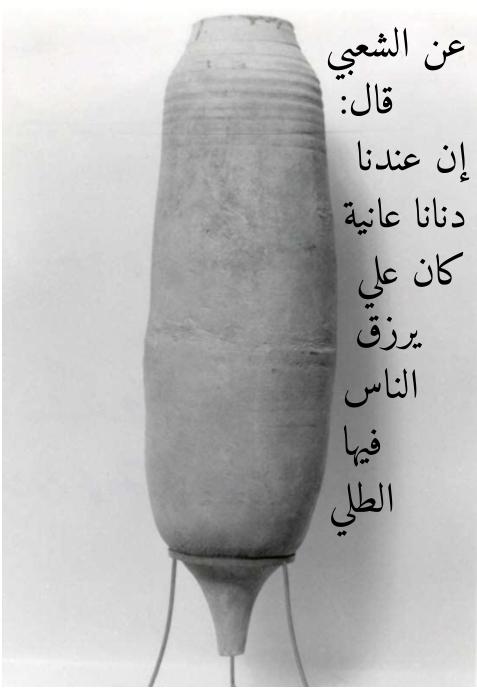
1st some background:
ṭilāʾ = cooked grape juice (a drink debated by early Muslim jurists; some forms of it were intoxicating)
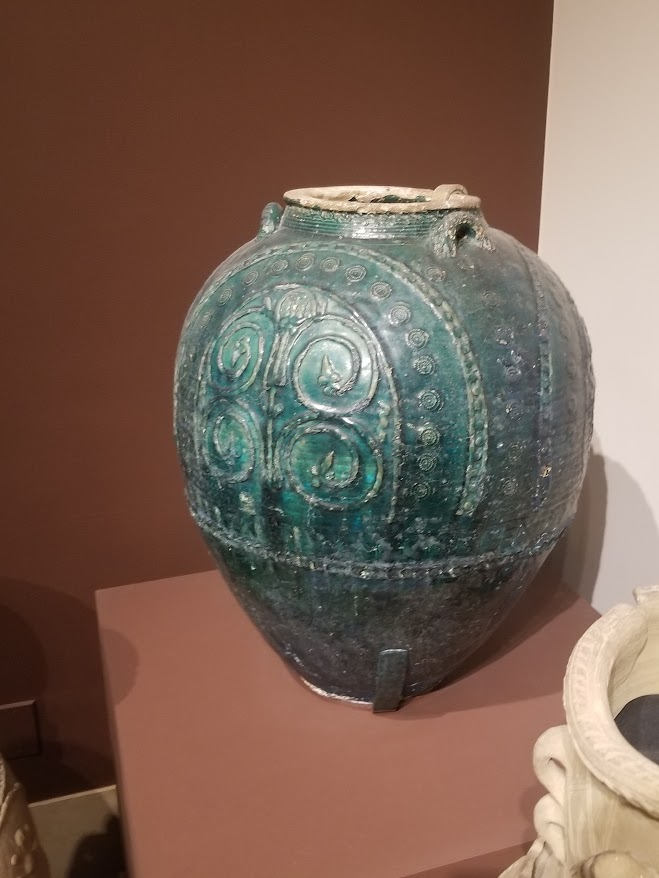
dann (pl. dinān) = a type of jar/amphora, its insides covered with tar (muzaffat), it was controversial (drinks in it were often intoxicating) [2/15]
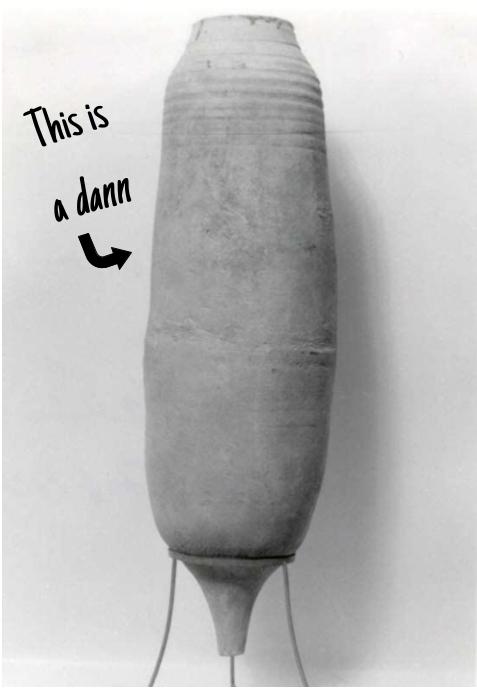
In one report, Bukayr narrates that his famed teacher al-Shaʿbī (Kufa, d. ca. 103/721) recalled that he still had danns given by ʿAlī that had contained ṭilāʾ
Now one may object: Elon, how do you know this was alcohol? My answer: we have another version of this report... [3/15]

…transmitted by Mujālid another student of al-Shaʿbī. In this version, someone gets drunk from the ṭilāʾ supplied by ʿAlī. The Caliph punishes him explaining: “You were supposed to drink this ṭilāʾ in moderation & not get drunk” [4/15]

So there are actually 3 versions of al-Shaʿbī’s report about ʿAlī & the ṭilāʾ. They are all clearly related as they all prominently share a similar unique phrase: kāna ʿAliyyun yarzuqu l-nās [5/15]
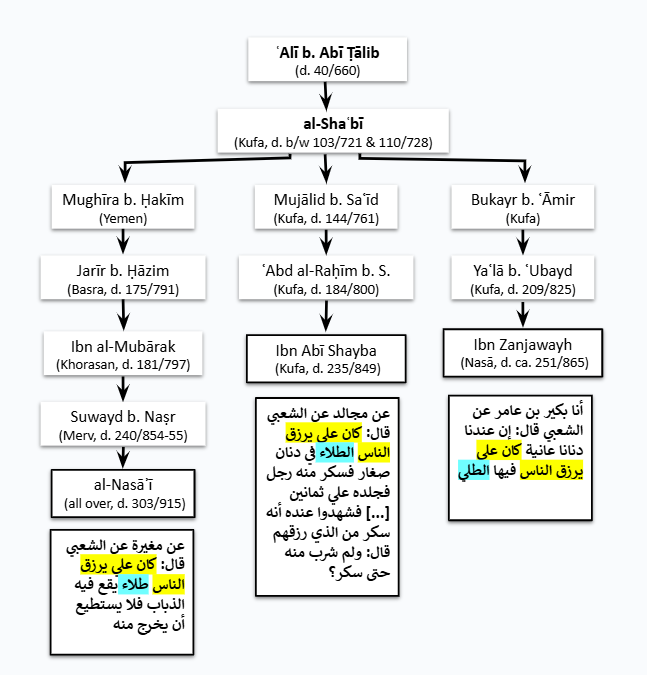
We’ve seen 2 versions of this report, now let’s look at the 3rd one, the one recorded in a “canonical” work, al-Nasāʾī’s Sunan. In this version, ʿAlī gives his men ṭilāʾ that is so thick flies get stuck in it. Wait what?! [6/15]


So some info about ṭilāʾ is needed: Early Jurists believed that if you cooked ṭilāʾ, letting its contents (& alcohol) evaporate, until it was very thick, then you could consume it.
al-Nasāʾī’s version basically says that ʿAlī’s ṭilāʾ was very thick (= non-intoxicating) [7/15]
See also this nifty poem describing the fumes of an intoxicating drink in a dann making flies drop dead mid air.
ʿAlī’s ṭilāʾ was nothing like this. Flies entered its airspace freely, even getting stuck in it: It was non-alcoholic [8/15]

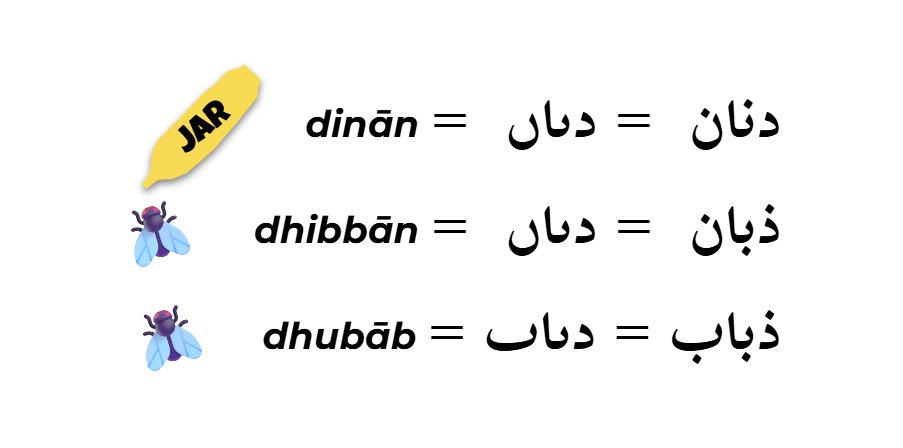
But how did flies enter al-Nasāʾī’s version? A simple graphic change: This version’s creative creator saw the word dinān (jars) & was inspired to emend these problematic jars to the visually similar dhubāb (flies), adjusting the text in other parts. [9/15]
In sum, al-Shaʿbī’s report about ʿAlī giving ṭilāʾ has 3 versions:
 Bukayr’s version says ʿAlī gave [alcoholic] ṭilāʾ & okayed this
 Mujālid acceptsʿAlī gave alcoholic ṭilāʾ but he expected folks drink responsibly
 al-Nasāʾī denies ʿAlī’s ṭilāʾ was intoxicating [10/15]
Bukayr’s version says ʿAlī gave [alcoholic] ṭilāʾ & okayed this
Mujālid acceptsʿAlī gave alcoholic ṭilāʾ but he expected folks drink responsibly
al-Nasāʾī denies ʿAlī’s ṭilāʾ was intoxicating [10/15] 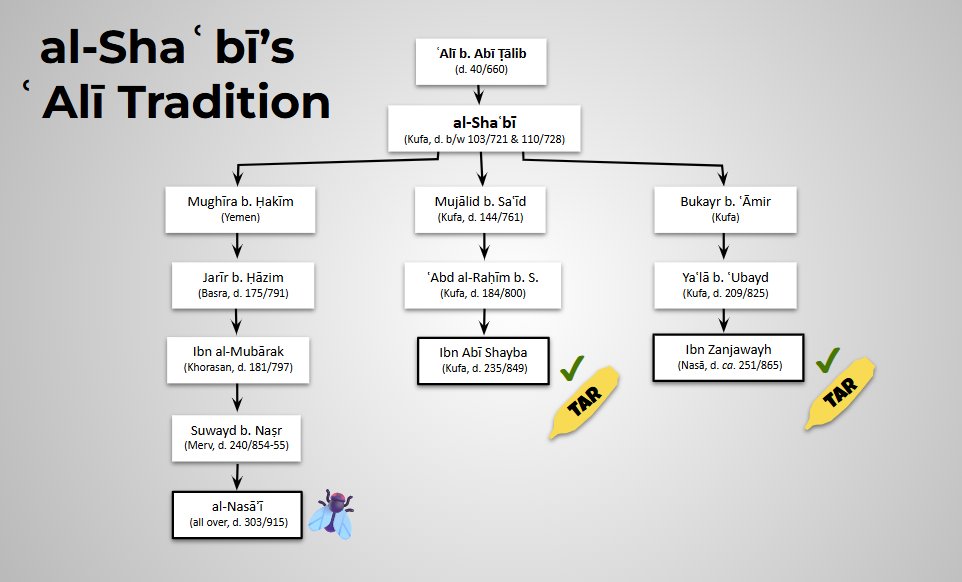
So did ʿAlī b. Abī Ṭālib pay his Muslim troops with alcohol? Perhaps, but what is certain is that a generation or so after ʿAlī’s death, his Kufan admirers had no reservations about saying he did give Muslims alcohol [11/15]
Later muḥaddiths were embarrassed by the idea of ʿAlī distributing alcohol. They downplayed this by saying he didn’t tolerate drunkenness or denying this completely. Unsurprisingly, the only version of this account to make it into a canonical Sunni work denies this [12/15]
Fin
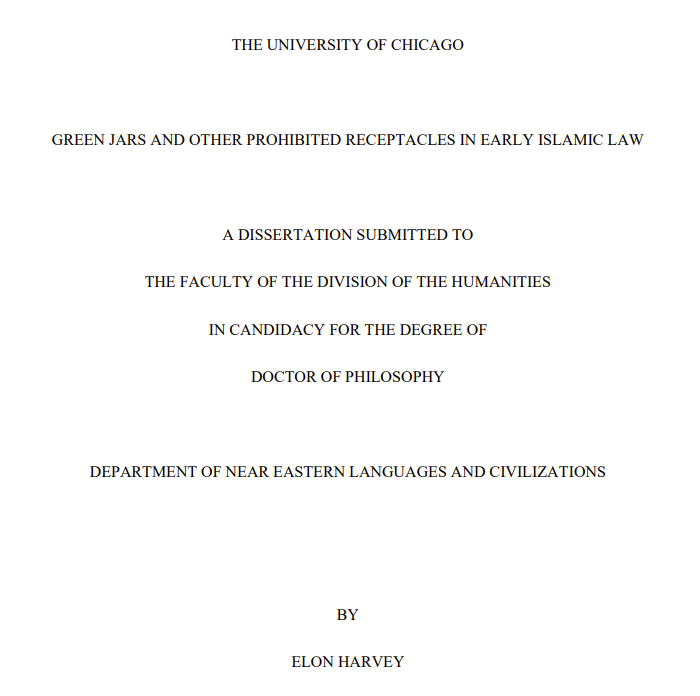
In addition to al-Shaʿbī’s report, there are many other reports about ʿAlī giving away ṭilāʾ. You can read about all these reports in more depth in my dissertation (pp. 324-337) [13/15]
knowledge.uchicago.edu/record/7555?ln
[14/15] On ṭilāʾ (cooked grape juice), see my previous thread:
x.com/hadithworks/st

Elon  @hadithworks
Sep 12 23
View on Twitter
An early Islamic poet sings in favor of :
"Who'd prohibit rain water when it's mixed with grape juice inside containers?!
I detest the harsh rules imposed on us by the Hadith transmitters, but I like Ibn Masʿūd’s opinion."
What was "Ibn Masʿūd's opinion" about alcohol? [1/8]
:
"Who'd prohibit rain water when it's mixed with grape juice inside containers?!
I detest the harsh rules imposed on us by the Hadith transmitters, but I like Ibn Masʿūd’s opinion."
What was "Ibn Masʿūd's opinion" about alcohol? [1/8]
:
"Who'd prohibit rain water when it's mixed with grape juice inside containers?!
I detest the harsh rules imposed on us by the Hadith transmitters, but I like Ibn Masʿūd’s opinion."
What was "Ibn Masʿūd's opinion" about alcohol? [1/8] 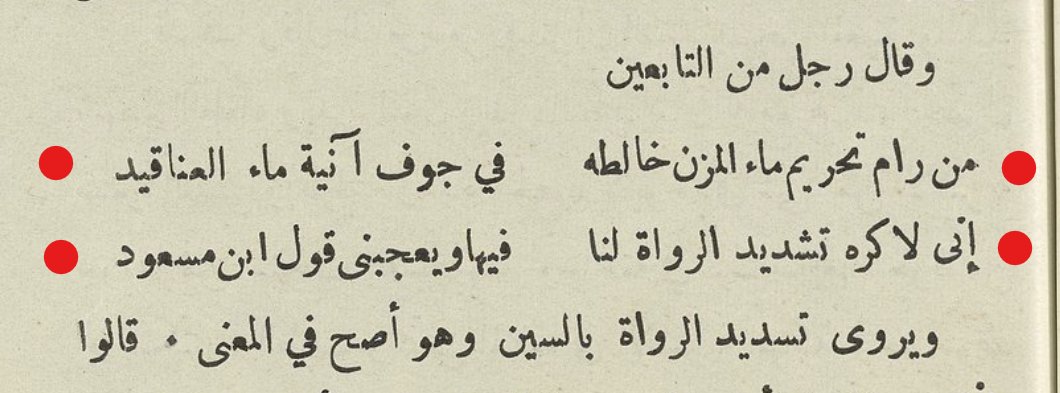
[15/15] On the ceramic jars known as dinān/rawāqīd, see another previous thread of mine:
x.com/hadithworks/st
Elon @hadithworks
Jun 29 23
View on Twitter
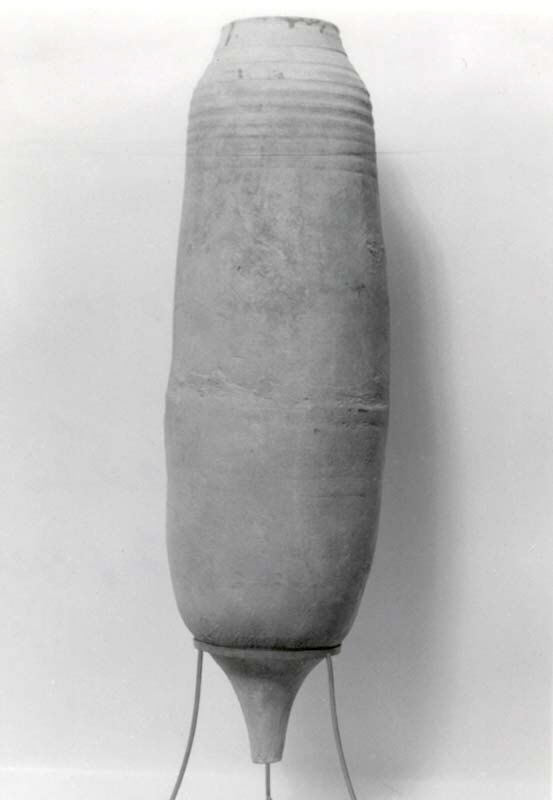
1/7 Jars, like this Iraqi jar, were used daily by people living in the Umayyad & Early Abbasid eras. Archeologists call them “𝐭𝐨𝐫𝐩𝐞𝐝𝐨 𝐣𝐚𝐫𝐬” but what did the Arabic speakers who used them call them?
[15/16] For another thread about 'Ali and alcohol, see:
x.com/hadithworks/st
Elon @hadithworks
Jun 13 25
View on Twitter
Did 'Ali b. Abi Talib drink alcohol?
Al-A'mash (d. 148/765) reported that 'Ali drank nabidh (a drink made of dates, or raisins etc.) from a green jar Nabidh from jars, especially , was considered alcoholic/prohibited
Muhaddiths tried to clarify 'Ali's actions...
[1/4]
Nabidh from jars, especially , was considered alcoholic/prohibited
Muhaddiths tried to clarify 'Ali's actions...
[1/4]
Al-A'mash (d. 148/765) reported that 'Ali drank nabidh (a drink made of dates, or raisins etc.) from a green jar
Nabidh from jars, especially , was considered alcoholic/prohibited
Muhaddiths tried to clarify 'Ali's actions...
[1/4] 


Missing some tweets in this thread? Or failed to load images or videos? You can try to .