
Netram Defence Review@NetramDefence
Feb 7
7 tweets
Thread Legacy of Gen Sagat Singh
Lieutenant General Sagat Singh Rathore, PVSM, was born on July 14, 1919, in the village of Kusumdesar in Rajasthan. His father, Brijlal Singh, served in World War I with the Bikaner Camel Corps. In 1938, the young Sagat enlisted in the Bikaner Ganga Risala, rising to become one of the few state force officers commissioned as Second Lieutenant during World War II.
Pic: Lt. Gen. Sagat Singh, Centre
Legacy of Gen Sagat Singh
Lieutenant General Sagat Singh Rathore, PVSM, was born on July 14, 1919, in the village of Kusumdesar in Rajasthan. His father, Brijlal Singh, served in World War I with the Bikaner Camel Corps. In 1938, the young Sagat enlisted in the Bikaner Ganga Risala, rising to become one of the few state force officers commissioned as Second Lieutenant during World War II.
Pic: Lt. Gen. Sagat Singh, Centre
Legacy of Gen Sagat Singh
Lieutenant General Sagat Singh Rathore, PVSM, was born on July 14, 1919, in the village of Kusumdesar in Rajasthan. His father, Brijlal Singh, served in World War I with the Bikaner Camel Corps. In 1938, the young Sagat enlisted in the Bikaner Ganga Risala, rising to become one of the few state force officers commissioned as Second Lieutenant during World War II.
Pic: Lt. Gen. Sagat Singh, Centre
His early years were marked by action in Iraq, Iran, and the Middle East, experiences that would later prove invaluable in combating foreign-backed insurgencies. His exceptional talent for logistics and troop management shone through as he became the only State Forces officer selected to attend the prestigious Middle East Staff College at Haifa.
Gen Sagat Singh's defining moment came with the Goa Liberation of 1961, where, as a Brigadier of the elite 50 Para Brigade, he achieved a remarkable feat despite not being a parachutist himself, earning his maroon beret through rigorous training at the age of 42. Under his command, the brigade not only accomplished the rapid capture of Goa but exceeded expectations.
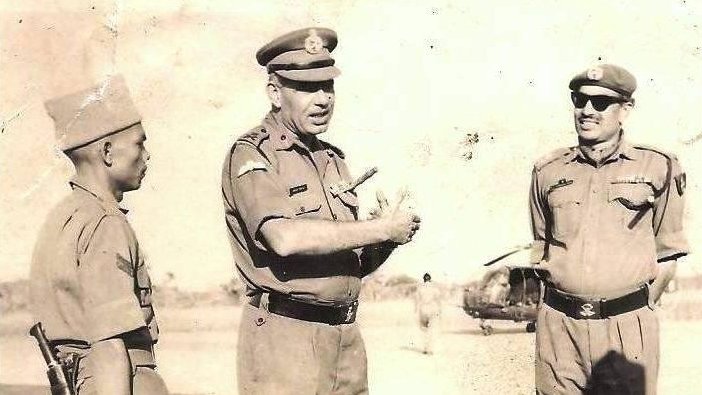
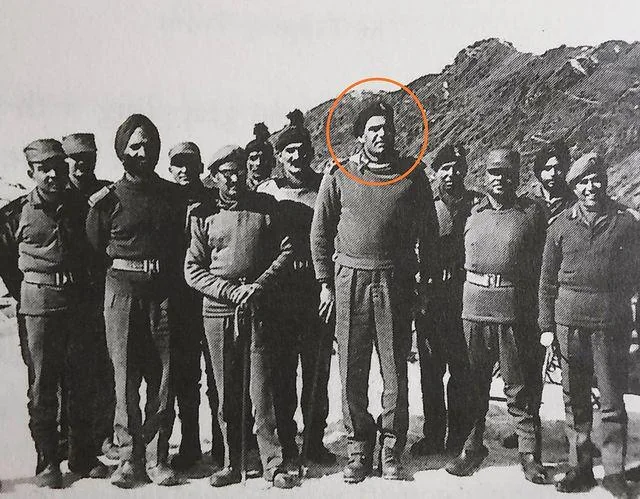
In 1967, during the Nathu La clashes, he showcased extraordinary leadership by rallying his troops and employing strategic artillery fire to decisively defeat Chinese forces, inflicting significant casualties and securing India's control at the border. While Jelep-la was vacated, Nathu-la remained firmly in Indian hands, thanks to Sagat’s strategic brilliance.
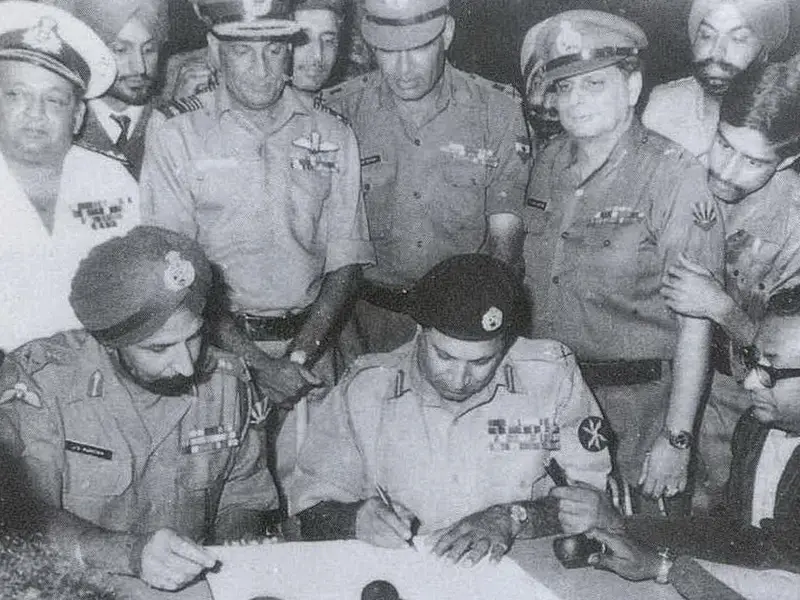
During Bangladesh Liberation war as the Indian Army advanced toward Dhaka by December 7, 1971, Lt Gen Sagat Singh’s IV Corps moved swiftly, capturing key locations. However, their progress halted at the Meghna River, where retreating Pakistani troops had destroyed the railway bridge. Anticipating delays, Eastern Army Commander Lt Gen Jagjit Singh Aurora ordered Sagat Singh to pause. Yet, instead of accepting the setback, Sagat Singh collaborated with Group Captain Chandan Singh of the Indian Air Force to devise an unprecedented plan; a large-scale heliborne crossing.

On the night of December 9, 1971, this daring plan came to fruition. The 4th Battalion of the Guards Regiment boarded Mi-4 helicopters and crossed the dark Meghna waters, landing in paddy fields marked by torches from Mukti Bahini fighters. This audacious manoeuvre proved to be a game-changer in the war.

In March 2013, Bangladesh commemorated this legacy, inviting Ran Vijay Singh, Sagat Singh’s son, to Dhaka and honouring his father as “the liberator of Bangladesh.”
Lieutenant General Sagat Singh Rathore, PVSM, stands as one of India's most visionary commanders, whose bold decisions reshaped battlefields and supported the nation at its most critical junctures. Lt Gen Sagat Singh passed away on September 26, 2001, but his inspiring legacy continues to thrive in the hearts of those he liberated and protected.

Netram Defence Review
@NetramDefence
Fighting misinformation, and propaganda against Indian Armed Forces. DM to join our WhatsApp community of digital defenders.
Missing some tweets in this thread? Or failed to load images or videos? You can try to .