
Santa Cruz YIMBY@SantaCruzYIMBY
Apr 7
12 tweets
It’s time for our annual Santa Cruz County housing progress roundup, Here’s a graph of the county-wide housing pace broken down by income level. The green bars are the RHNA targets and the gold is how many units we would build by 2031 if we keep up our current pace of production.

Here is the @City of Santa Cruz —the lone bright spot in the county. The city is on track to exceed its RHNA for lower income housing. BUT these numbers are driven by a small number of large projects like the library project and Pacific Station, that have been years in the making.

. @City of Capitola ‘s numbers don’t look great right now—but that could change quickly. If the Capitola Mall redevelopment moves forward, it would dramatically boost housing production and put the city in a much stronger position to meet its RHNA.
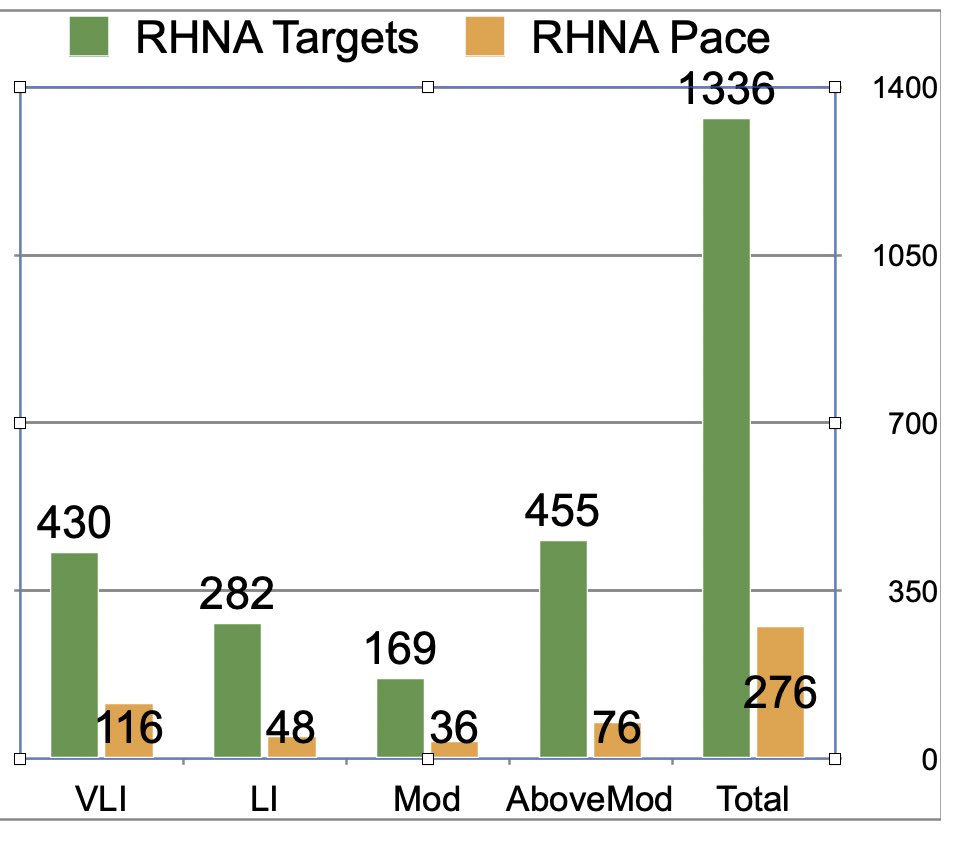
Scotts Valley is in a relatively solid position—keeping pace on affordable housing but lagging on above-moderate units. Unlike Santa Cruz, its 100% affordable projects have largely been built without city subsidy, suggesting this pace may be more sustainable.
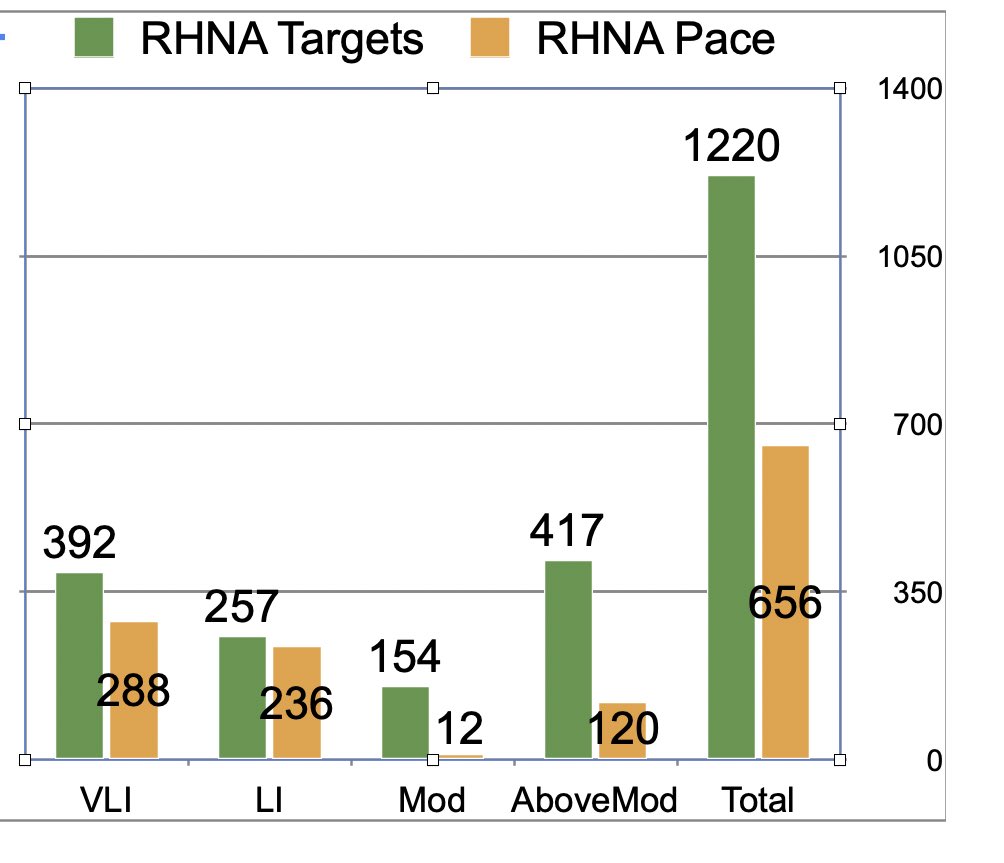
. @City of Watsonville is especially struggling with moderate-income housing. Even with the highest above-moderate rate in the county, they’re on pace for <40% of target. Low-income RHNA seems achievable, but VLI could be tough: they need 2-3 large, deeply subsidized projects.
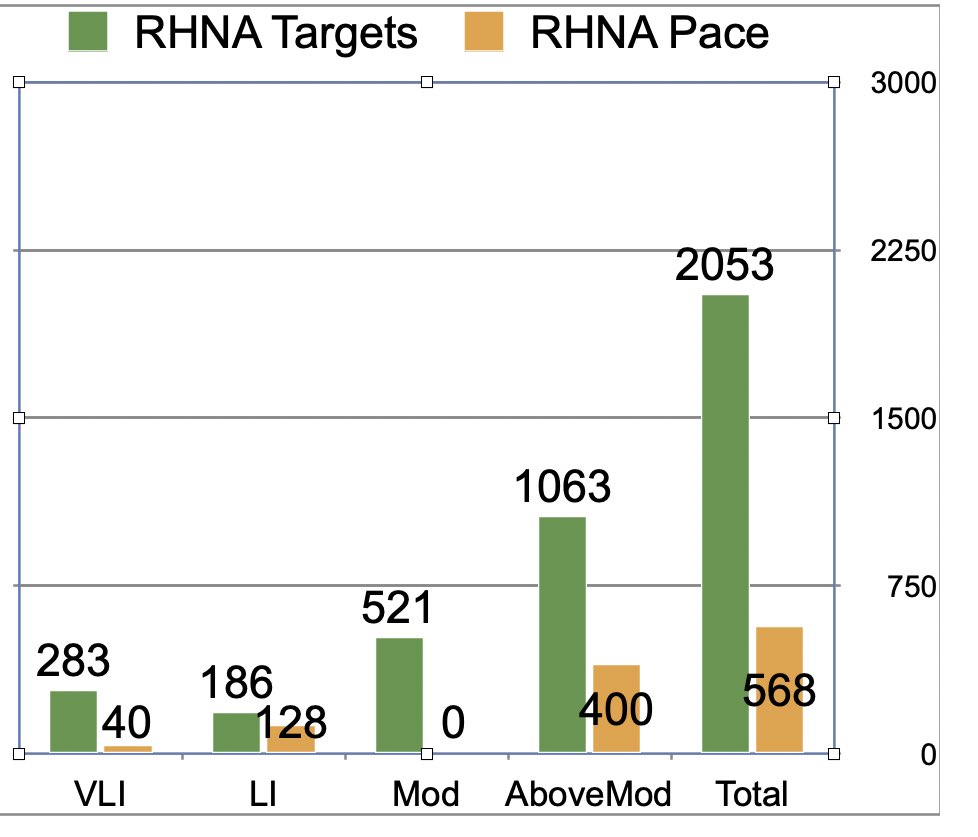
Last (and least): the @Santa Cruz County. There’s little reason for optimism without serious reforms to help projects pencil. ~80% of pipeline units use Density Bonus—even without rental IZ—suggesting developers add BMR units to make projects feasible despite losses on those units.
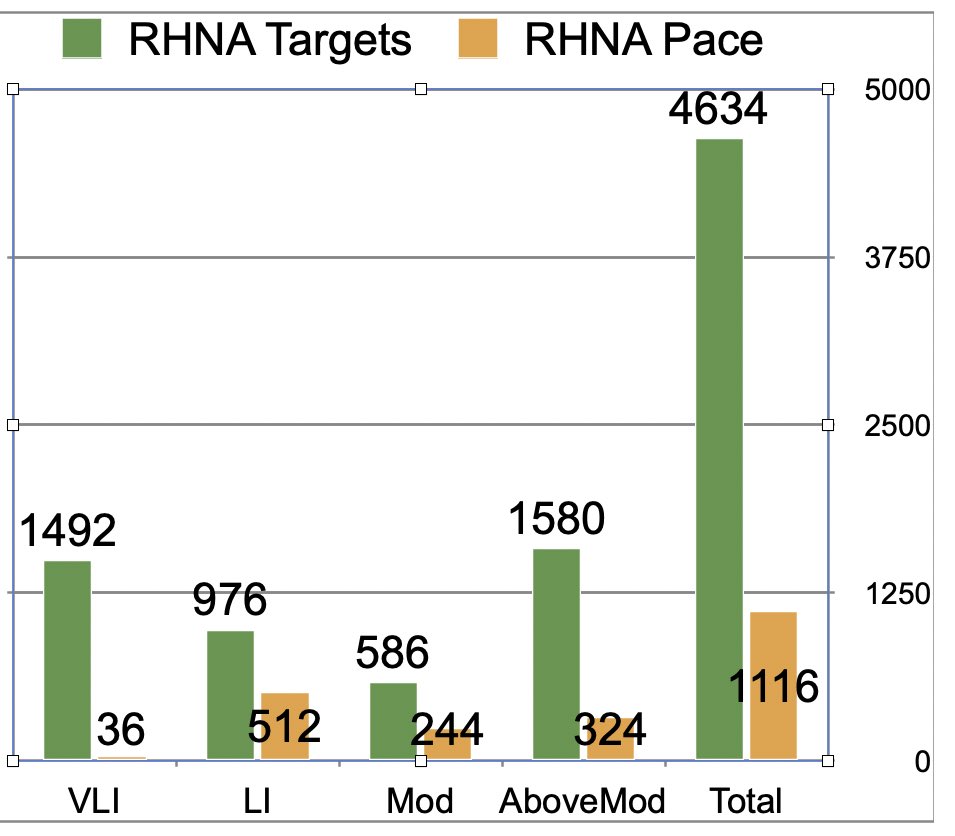
Countywide, the biggest issue isn’t just affordable housing—it’s the lack of moderate and above-moderate production. We’re falling short even in the categories that should be the easiest to build.
This matters because market-rate housing is the foundation of overall supply. When those units aren’t penciling, the entire housing pipeline slows down and affordable housing gets more expensive to build too.
The City of Santa Cruz stands out for strong progress on low and very low income production compared to the rest of the county. But even top performers aren’t enough to offset underproduction elsewhere. Housing is a regional obligation—every jurisdiction matters.
The county’s Density Bonus data is a red flag. When ~80% of pipeline project units rely on it—even without rental IZ—it signals base zoning isn’t feasible. If the only way to build is with concessions and waivers, something’s off.
Jurisdictions should start by making base zoning viable: more height, more units, less parking, and by-right approvals. Projects shouldn’t need Density Bonus just to make basic math work.
Local policies matter. Impact fees, inclusionary requirements, and long approval timelines all affect feasibility. If projects don’t pencil, they don’t get built. Without changes to make housing easier to build across all income levels, our county will continue to fall short.

Santa Cruz YIMBY
@SantaCruzYIMBY
End housing insecurity and grow the cities so Santa Cruz County is welcome to its workers, families, and friends. #EndApartmentBans #ShareTheCities
Missing some tweets in this thread? Or failed to load images or videos? You can try to .