
Niall Harbison@NiallHarbison
Sep 27
12 tweets
I’ve lived with depression and anxiety for more than 25 years.
I wanted to share a few things that have made a difference for me. This isn't medical advice—just lessons learned through trial and error across many tough years of personal experience.
Here are 10 things that help me manage anxiety and depression… (1/12)

1. Quit drinking alcohol 
 It took an ICU visit for me to finally step away after 25 years. Absolutely nothing has benefited my mental health and anxiety more than giving up alcohol.
Alcohol is a literal depressant. Cutting it out will noticeably lighten the depression load. (2/12)
It took an ICU visit for me to finally step away after 25 years. Absolutely nothing has benefited my mental health and anxiety more than giving up alcohol.
Alcohol is a literal depressant. Cutting it out will noticeably lighten the depression load. (2/12)
It took an ICU visit for me to finally step away after 25 years. Absolutely nothing has benefited my mental health and anxiety more than giving up alcohol.
Alcohol is a literal depressant. Cutting it out will noticeably lighten the depression load. (2/12)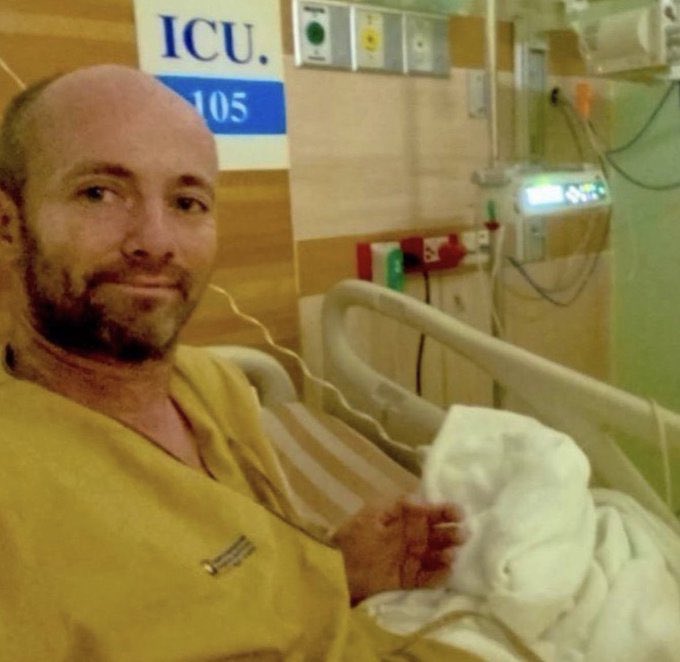
2. Get your body moving 
 When the heavy fog rolls in—or before it even hits—just try to move. It’s usually the last thing you feel like doing, but exercise has been my biggest lifesaver.
Even if it’s just a 100-yard walk to get fresh air, physical movement is essential. (3/12)
When the heavy fog rolls in—or before it even hits—just try to move. It’s usually the last thing you feel like doing, but exercise has been my biggest lifesaver.
Even if it’s just a 100-yard walk to get fresh air, physical movement is essential. (3/12)
When the heavy fog rolls in—or before it even hits—just try to move. It’s usually the last thing you feel like doing, but exercise has been my biggest lifesaver.
Even if it’s just a 100-yard walk to get fresh air, physical movement is essential. (3/12)
3. Seek medical support
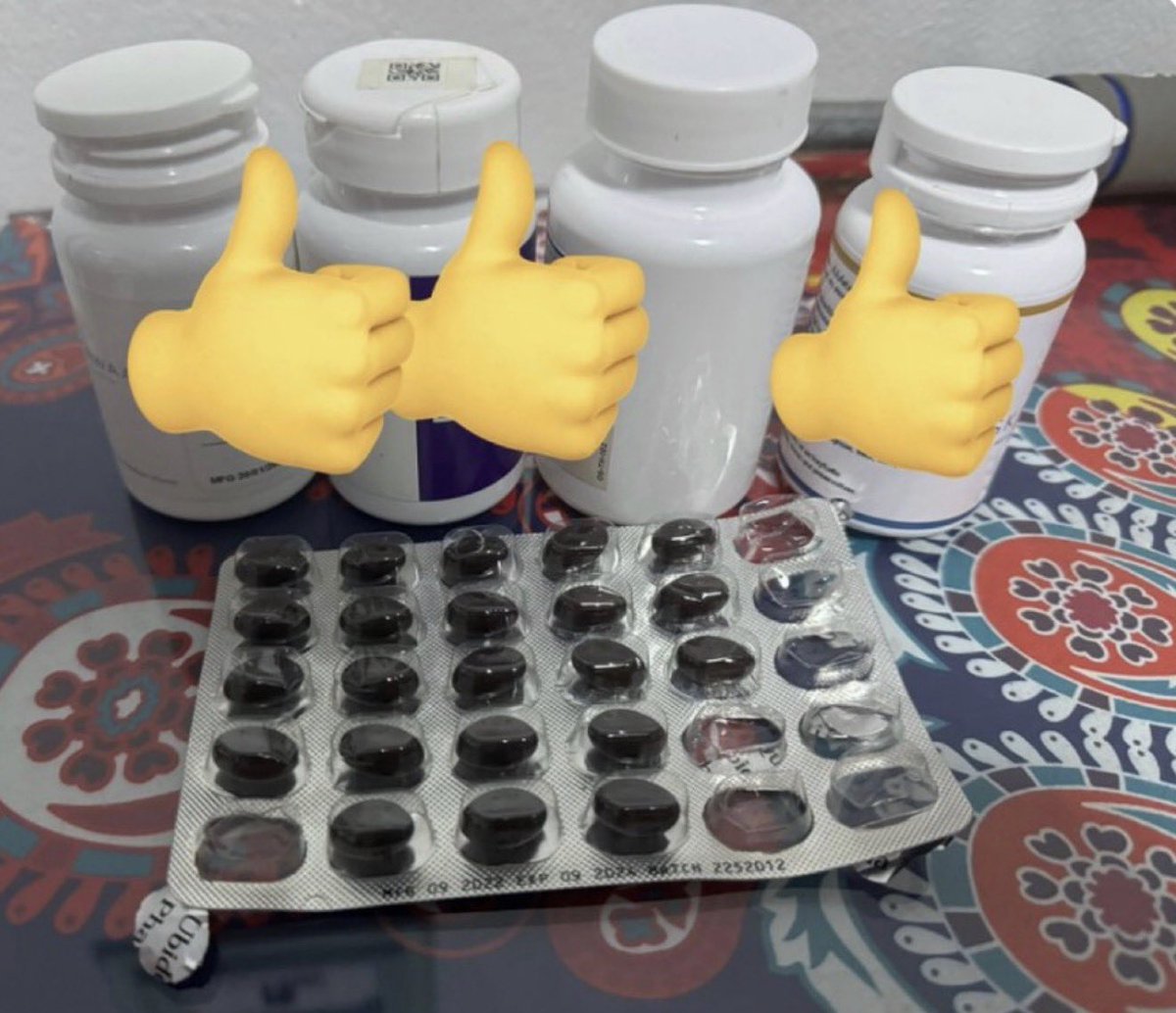
I rely on medications and supplements. I had to accept that this is an illness and needing help is normal. If you had a broken bone or cancer, you’d take medicine without a second thought.
You may not need medication, but speak to a doctor. If you do need it, there is zero shame. (4/12)
4. Talk openly about it
This was monumentally hard for me. I stayed silent for over ten years. But sharing a heavy burden really does lighten it. Today, my friends and family all know what I go through.
Not everyone will fully understand, but people can be amazingly supportive. (5/12)
5. Try body scans & massage
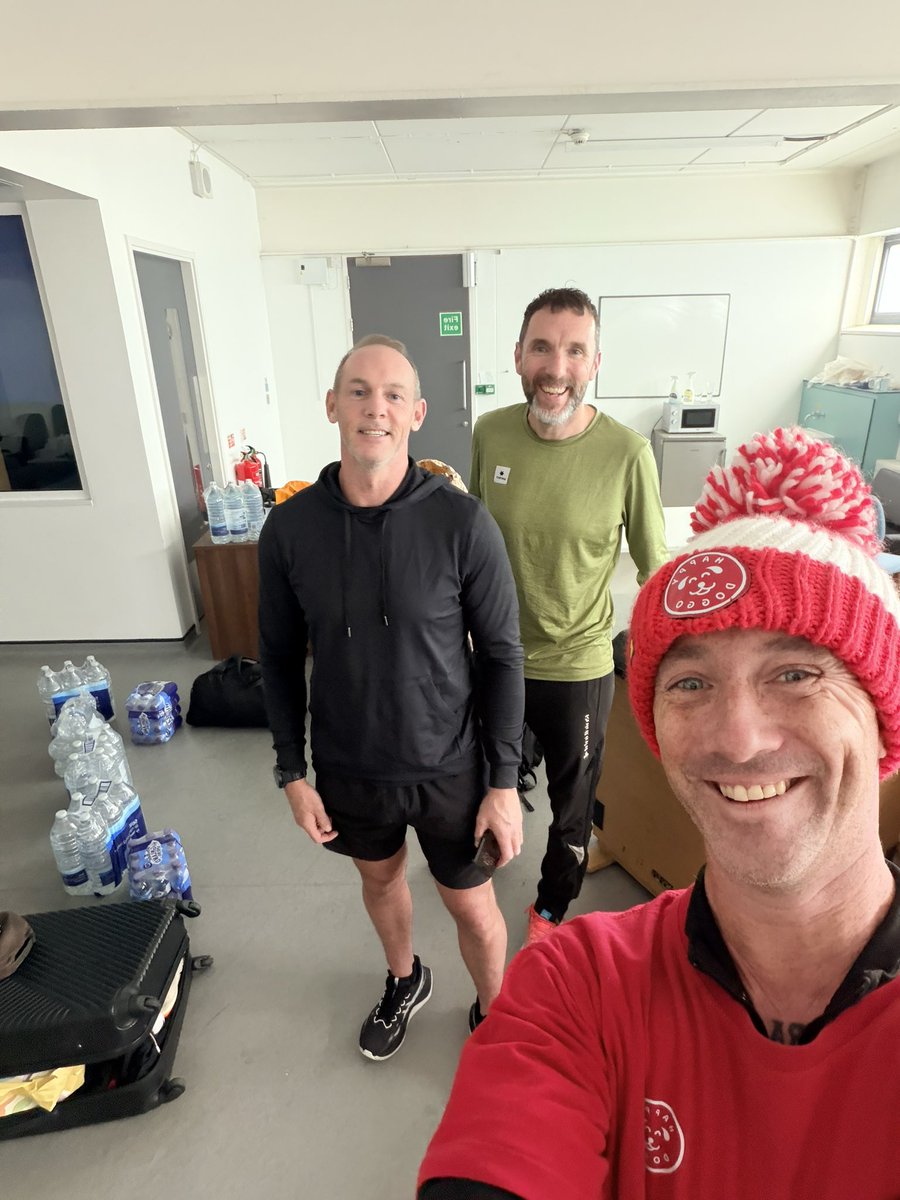
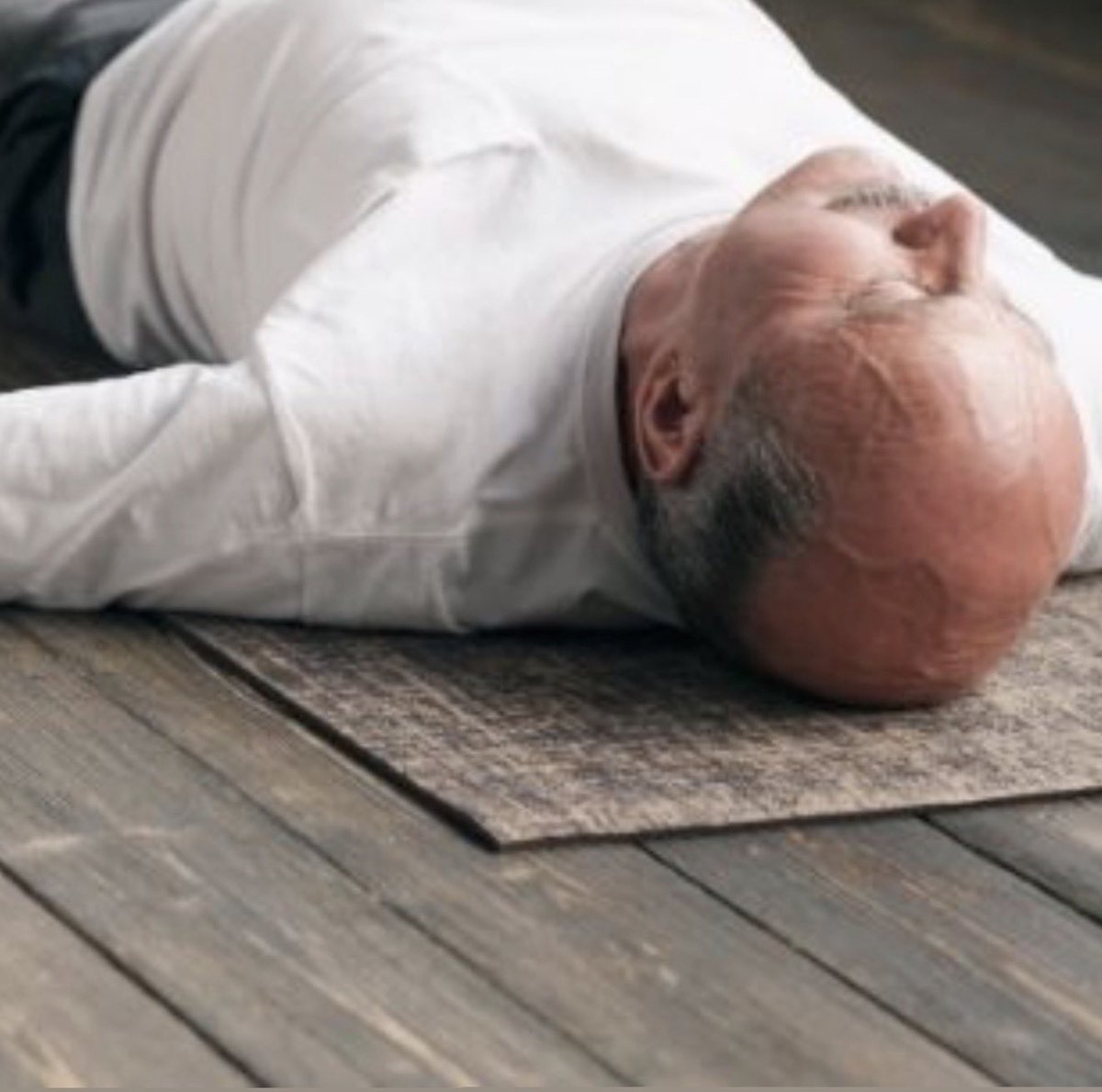
Two tools that work wonders for me are guided online body scans (30 mins on YouTube). It acts like a meditation that calms your system right down.
I also find Thai massage massively helpful—spending an hour or 90 minutes resetting does wonders for a quiet mind. (6/12)
6. Reduce your screen time
I know the irony of posting this on X, but smartphones can easily turn into tiny black boxes feeding us bad news and low self-worth.
Cut back on the 2-hour bed scrolling sessions and pointless screen consumption. (7/12)
7. Avoid triggering situations
I stay out of bars. I backed off watching live sports because they triggered my urge to drink. I rebuilt my circle with non-drinkers and removed myself from toxic environments. Be ruthless about making good decisions for your health. (8/12)

8. Pay attention to your warning signs
I’ve learned to spot the signs—fatigue, irritability, poor sleep, or social burnout. When those pile up, anxiety and depression inevitably kick in.
It takes effort, but catching those signals early and making time to care for yourself is crucial. (9/12)
9. Accept it as a long-term condition
I often wish I could cure it permanently, but for many of us, that’s not realistic. I’ve realized I can maximize my good days through smart choices, but I also accept that bad days can return even when I do everything right. (10/12)

10. Make time for what brings you joy
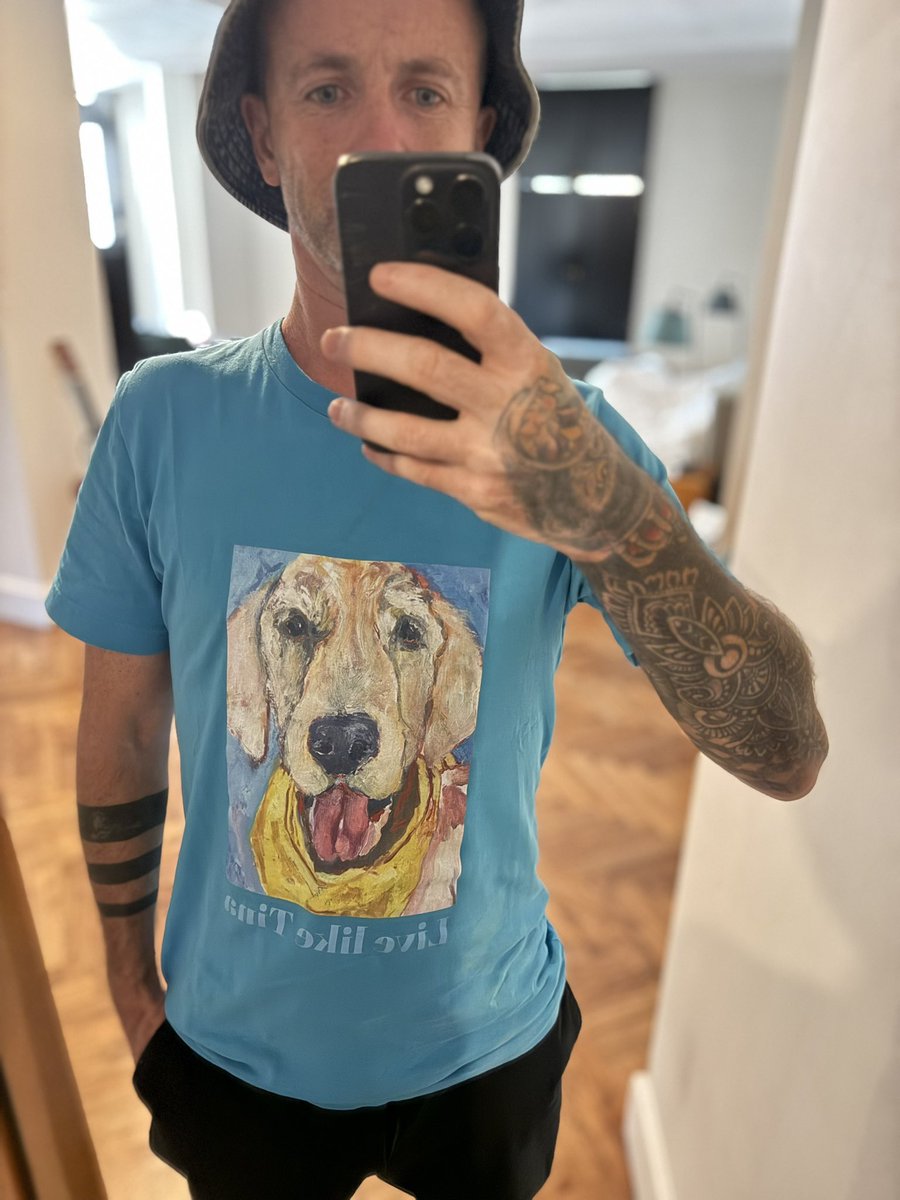
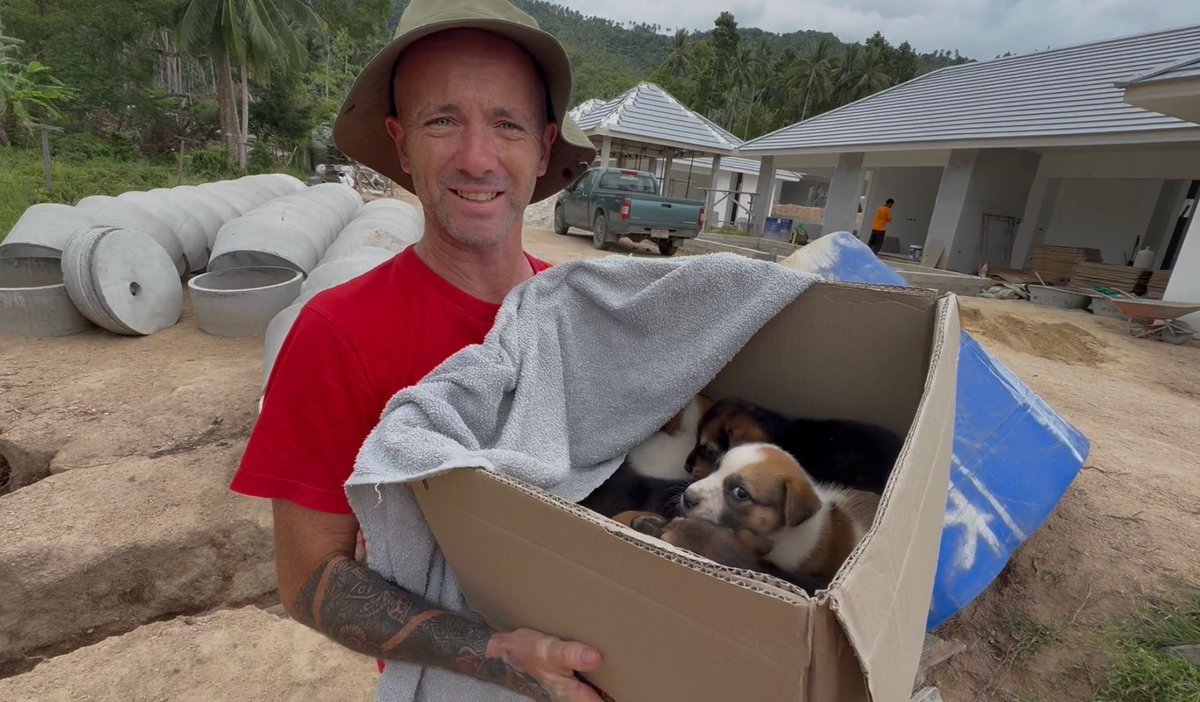
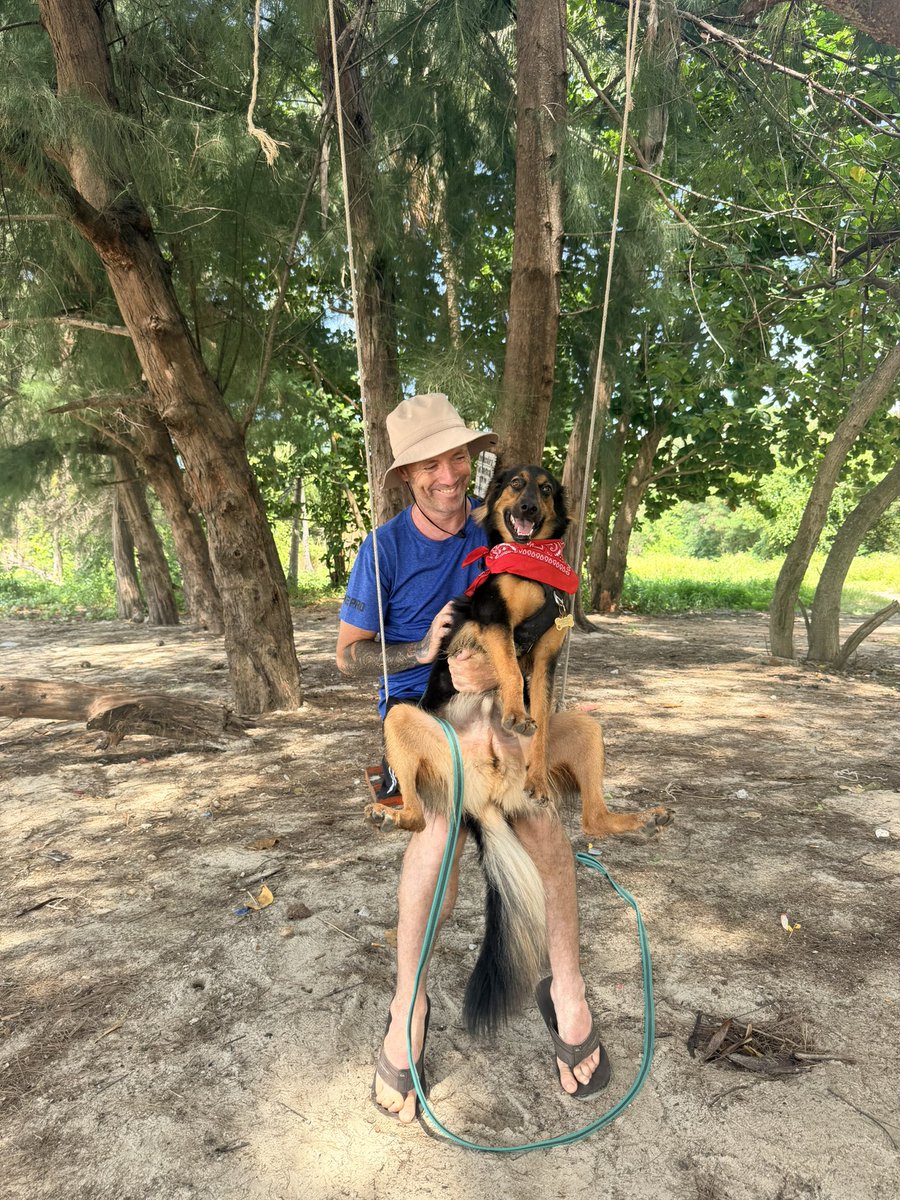
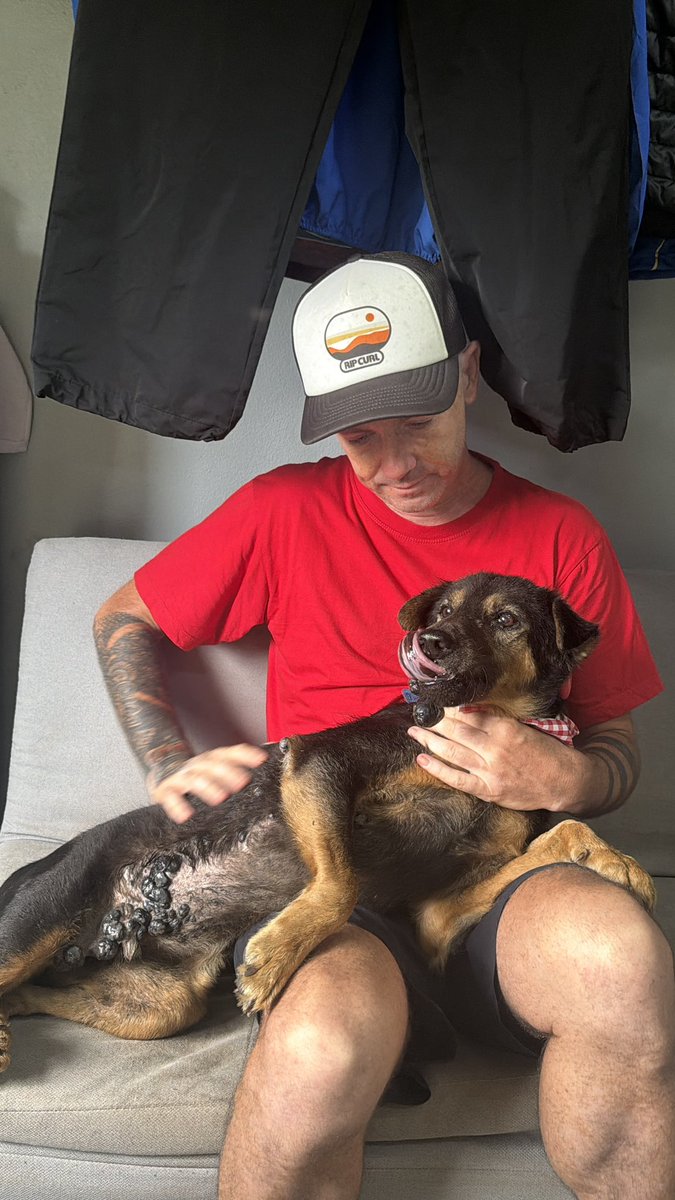
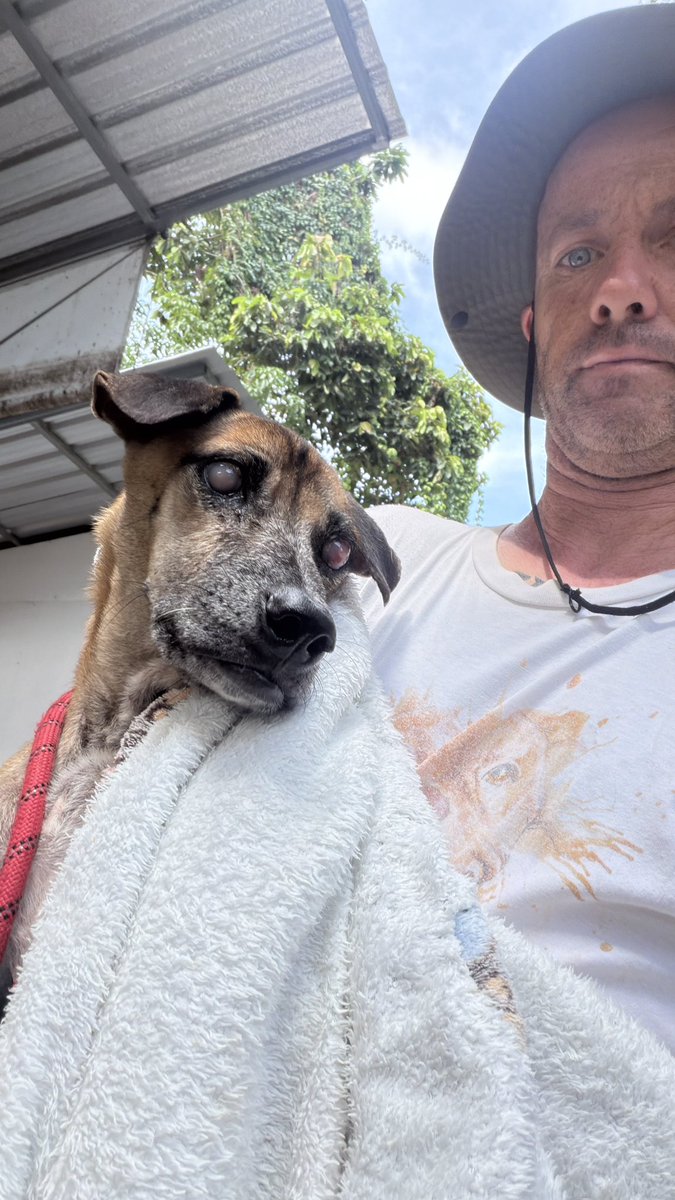
When you’re stuck in a low mood, this feels tough. But try to find and do things you genuinely love. For me, helping rescue dogs gives me purpose and boosts my self-worth. Find whatever rekindles that feeling for you too. (11/12)
I certainly don't have it all figured out. If I followed my own advice 10 out of 10 times, I’d be in far better shape. The reality is life gets in the way, so I aim for at least 5 or 6 habits daily.
There are plenty of other valuable tools like therapy, but I hope sharing these personal lessons helps someone today. (12/12)



Niall Harbison
@NiallHarbison
On a mission to save street dogs around the world. You can support here...
Missing some tweets in this thread? Or failed to load images or videos? You can try to .